香港聲樂導師Francesco|甚麼是 Belting(實唱)?不是大聲唱而已,而是一種精準的發聲技巧
- Francesco Mecorio

- Mar 30
- 6 min read
在流行音樂、音樂劇,甚至部分福音與民謠演唱中,我們常常聽到一種極具穿透力、明亮又帶有強烈說話感的聲音,那就是 belting(實唱)。這種唱法經常出現在 Christina Aguilera 的高音、Whitney Houston《I Will Always Love You》的高潮、Celine Dion 與 Michael Bolton 的經典演唱,甚至《Wicked》裡《Defying Gravity》的最後段落。它令人震撼,也常常被誤解。

香港聲樂導師 Vocal Coach 范智豪(Francesco Mecorio)
「Belting(實唱)」大概是聲樂世界裡最常被濫用、也最容易被誤會的詞之一。有人把它等同於所有高音的用力演唱,有人認為它就是胸聲往上推,也有人把它視為一種必然傷嗓的危險技巧。但實際上,belting 不是單純的大聲,也不是胡亂喊叫,而是一種有明確聲音目標、也有特定生理條件支撐的發聲方式。
Belting 不是單純唱大聲
很多人一提到 belting,第一反應就是「唱很大聲」。但事實上,聲音大不等於 belting。像歌劇高音、搖滾嘶吼、流行唱法中的 mix、福音音樂裡那種情緒強烈的聲音,都可能很有力量,卻不一定是 belting。
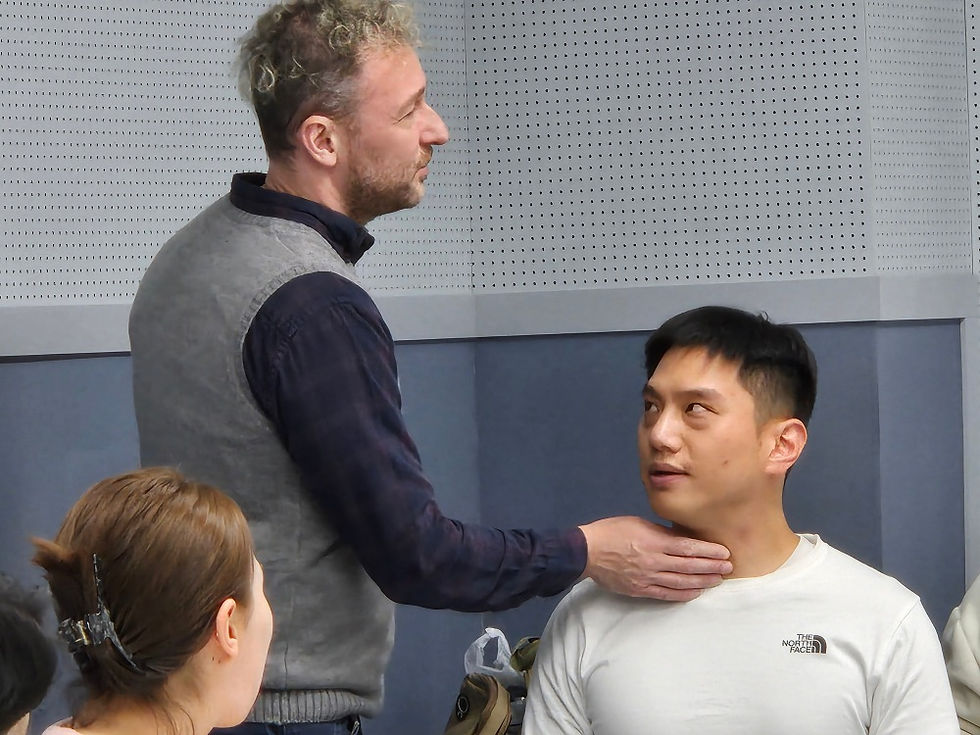
Belting 本質上是一種風格化的聲音,重點不是音量本身,而是那種明亮、前衝、像說話一樣直接的聲音質感。它最早在音樂劇中發展成熟,後來進入流行音樂,也能在某些傳統民謠演唱中找到類似的聲音特徵。換句話說,它是一種有歷史脈絡、也有美學目的的唱法,不只是「用力」這麼簡單。
Belting 不是單純的胸聲
不少聲樂教材會把聲音分成胸聲、頭聲和 mix,這套分類對初學者來說看似直觀,但實際上往往模糊又容易混淆。不同老師對同一個詞可能有完全不同的理解,讓學生越學越亂。
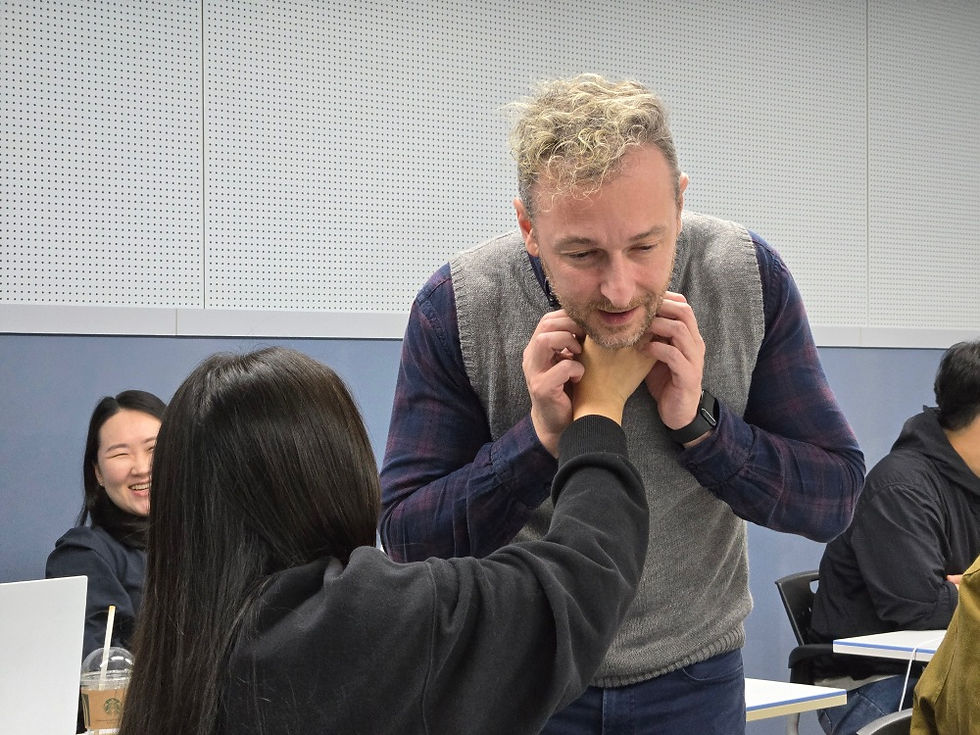
因此,若把 belting 直接定義成「過換聲區以上的胸聲」,其實並不精確。即使勉強接受這種說法,它也無法真正解釋 belting 的發聲機制。因為胸聲可以有很多不同的發聲方式,而其中大多數都不是 belting。把 belting 簡化成胸聲,反而容易讓人走向錯誤的模仿方式。
Belting 的生理條件
相較於過去的模糊說法,如今透過聲音生理學的研究,我們對 belting 的理解已經清楚許多。其中最重要的一點就是:belting 並不是靠「更大力」,而是靠「更正確的協調」。

要唱出健康的 belting,聲帶需要有較厚的閉合狀態,這與環狀軟骨的傾斜有關,能讓聲帶質量增加、聲音更有穿透力。同時,聲道也要有特定的配置,讓聲音明亮且能投射出去,但這不代表口腔一定要張得很大、空間一定要很寬。
更顛覆直覺的是,belting 其實不需要很多氣。相反地,吸氣應該快速、偏高、相對淺一些。很多人以為唱 belting 要「吸滿氣」才撐得住,但過多氣流反而會讓聲音更難控制、更容易疲勞。真正的關鍵,不是氣有多少,而是整個系統是否協調。
身體不該完全放鬆
另一個常見迷思是:belting 時身體一定要完全放鬆。這句話聽起來很合理,但實際上並不完整。因為 belting 本來就是一種對身體要求很高的協調動作,並不是「鬆」就能完成的。

當身體的較大肌群能適當參與時,發聲的壓力就不會全部集中在喉嚨上。這意味著 belting 不是靠喉部硬撐,而是透過整體身體的穩定,讓力量分散到更合理的位置。真正理想的狀態不是毫無支撐的鬆垮,而是有控制、有穩定的身體參與。
Belting 會傷聲音嗎
因為 belting 聽起來強烈、密度高,所以很多人自然會聯想到危險,甚至認為它一定會傷害聲帶。但強烈不等於有害。真正造成聲音受傷的,往往不是 belting 這件事本身,而是對 belting 的誤解。
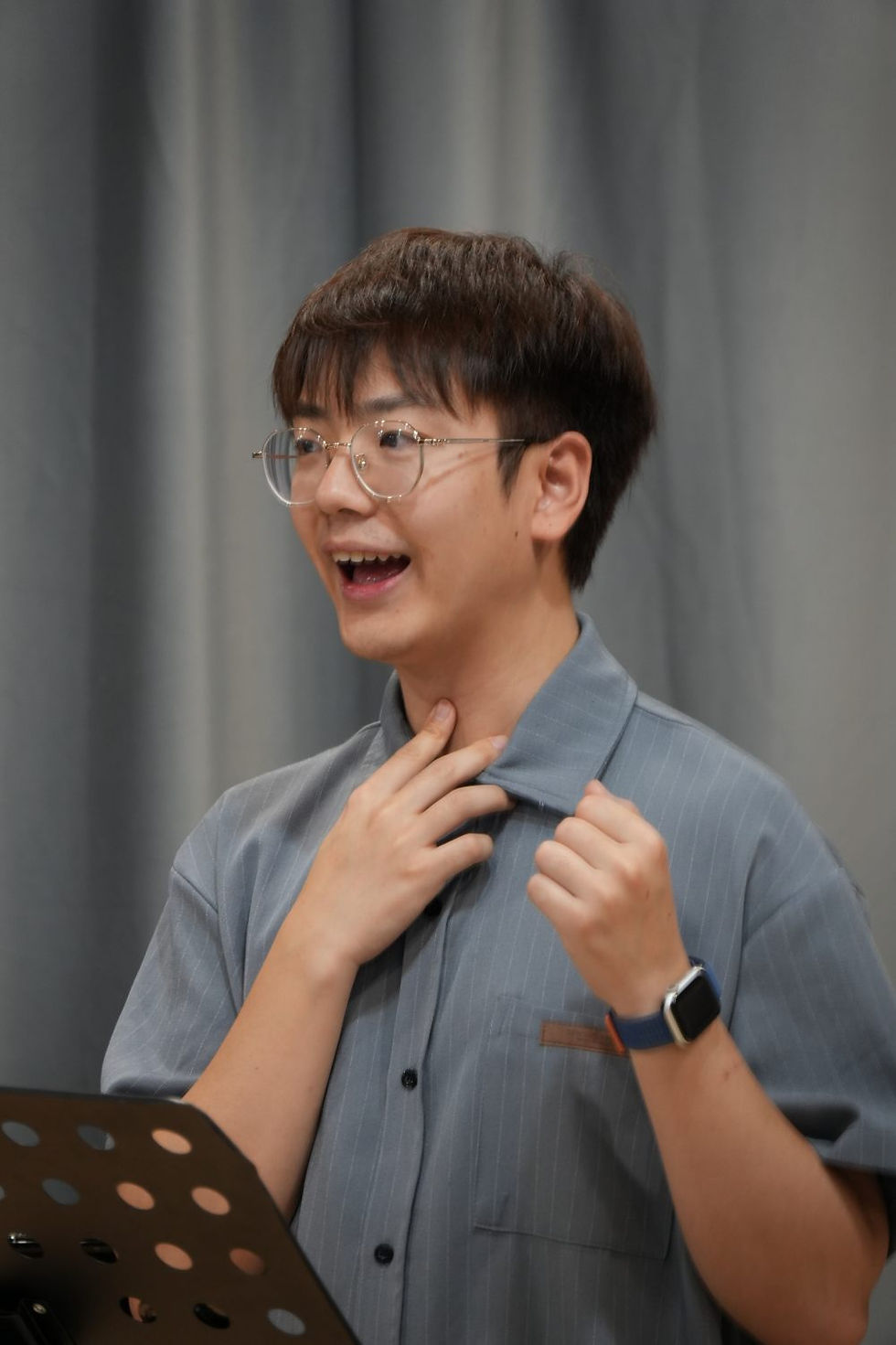
很多歌手會模仿 belting 的外觀,卻用推、吼、硬擠的方式去做,結果當然容易受傷。過去也有不少老師對這套發聲機制理解不足,只能用抽象的比喻教學,進一步加深了 belting 危險的印象。事實上,只要生理協調正確,belting 是可以長期使用的;不少音樂劇演員每週演出八場,長年維持這種唱法,仍然能保有穩定聲音。
Singing or Shouting? The truth about Belting
Belting is a very strong and bright type of vocal sound. It is a powerful, speech-like vocal quality used in styles such as musical theatre and contemporary pop music. It is the sound we often hear in the high notes of Christina Aguilera, in the famous climax of I Will Always Love You by Whitney Houston, in the voices of singers such as Celine Dion, Michael Bolton and David Phelps, and in the final moments of Defying Gravity from Wicked.
“Belting” is one of the most abused and misunderstood terms in singing.
Some people use the word to describe any loud sound in the upper range.
Others define it as “chest voice above the passaggio”..
Many teachers believe belting is dangerous and inevitably damages the voice.
At the same time, singers are often told that safe belting requires:
● deep abdominal breathing
● wide open mouth and large spaces
● a completely relaxed body.
But how much truth is there in these ideas?
In reality, belting is a very specific sound, both artistically and physiologically.
The goal of belting is not simply volume, but a bright, penetrating sound with strong speech-like intensity.
Belting Is Not Just “Singing Loud”
Belting is not simply “singing loudly”.
Many powerful sounds in singing are not belting.
For example:
● operatic high notes
● rock screaming
● pop mix
● gospel intensity.
Belting is a specific stylistic sound that developed historically in musical theatre, later entered pop music, and can also be found in much traditional folk singing.
Is Belting Just Chest Voice?
Many singers and teachers describe the voice using three traditional registers: chest voice, head voice and mix.
Chest voice is usually associated with the stronger, speech-like quality we use when speaking.Head voice is often described as a lighter, higher coordination.Mix is supposed to be a blend of the two.
However, the traditional classification of vocal registers — chest, mix and head voice — is often vague and confusing.
Different teachers use the same terms to describe completely different coordinations.
Because of this, defining belting as “chest voice above the passaggio” is problematic.
Even if we accept that definition, it still does not explain much.
Chest voice can be produced in many different ways, and most of them are not belting.
So calling belting “chest voice” is often oversimplified and misleading.
The Physiology of Belting
Thanks to the work of Jo Estill, the physiological setup of belting is much clearer today.
And it is often counterintuitive.
To produce a healthy belt, singers need:
• Thicker vocal folds
This is achieved by learning to tilt the cricoid cartilage, which increases vocal fold mass and allows the sound to carry more power.
• A specific vocal tract configuration
The sound must be bright and projected.
However, this does not mean large or wide spaces.
• Very little air
Contrary to popular belief, belting requires minimal airflow.
The inhalation should be:
● quick
● high
● relatively shallow.
Too much air actually makes belting more difficult and more fatiguing.
Most singers think belting is about power.
In reality, it is about coordination.
The Body Is Not Supposed to Be Relaxed
Another myth is that the body must be completely relaxed when belting.
In reality, belting is a physically demanding coordination.
Large muscles of the body help stabilize the system so the vocal folds are not forced to carry the entire workload.When the body participates correctly, the effort becomes distributed rather than localized in the throat.
Is Belting Dangerous?
Belting is undeniably a strong and intense sound.
Because of this, it can be tiring.
However, intensity alone does not make a vocal technique harmful.
Belting doesn’t damage voices.Misunderstanding belting does.
Part of the reason why belting developed a reputation for being dangerous is simple:
many singers try to imitate the sound by pushing and shouting, and many teachers historically did not have a clear understanding of the physiology involved.
When the physiological coordination is respected, belting can be sustainable for long professional careers.
Many musical theatre performers belt eight shows a week for years. Rachel Tucker, for example, has performed some of the most demanding belting roles without damaging her voice.
聲樂導師 Vocal Coach 范智豪(Francesco Mecorio)
About the author
Adjunct Professor in Performing Arts Medicine (Università Niccolò Cusano) and EMCI–TPSD (Estill Mentor & Course Instructor, Testing Privileges and Service Distinction), Francesco works at the intersection of vocal science, pedagogy, and performance psychology. He has trained performers from Tokyo to New York, coached artists from Broadway to K-pop, and teaches Estill Voice Training in seven languages. Appointed by Estill Voice International as the Chairman of the 2027 Estill World Voice Symposium in Hong Kong, the first to be hosted in Asia, he is shaping a new chapter in global voice education.